Nurhalita: A Handmade Script Font for Digital Brand Expression
In the realm of web design and digital product creation, typography is a silent ambassador for your brand. It shapes user perception before a single word is read. For designers crafting modern brand experiences—from landing pages to app interfaces—the choice of a display font carries significant weight. Nurhalita, a handmade script typeface, offers a distinct voice for projects demanding warmth, artistic flair, and authentic personality.
The Digital Personality of Nurhalita
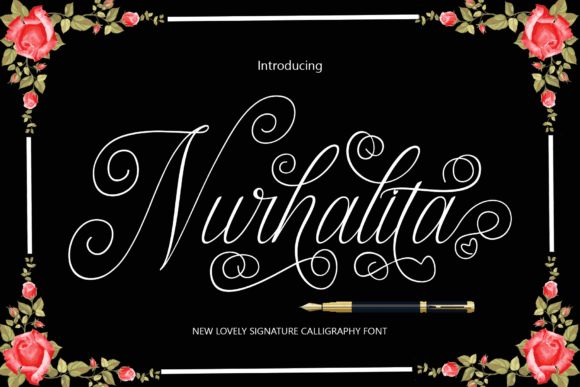
Nurhalita is a crafted script font with an organic, flowing character. Its strokes mimic the natural variation of handwritten lettering, avoiding the rigid uniformity of many digital fonts. This gives it an immediate sense of human touch and crafted quality. In a digital environment often dominated by sleek sans-serifs, Nurhalita introduces a layer of artisanal charm.
Its style sits comfortably within the Script Amp category, possessing enough clarity for digital readability while retaining its decorative essence. This balance is crucial. The font’s personality is artistic and approachable, making it suitable for brands that wish to convey creativity, personal care, or boutique quality. It feels modern yet timeless, avoiding overt trends that might date a digital identity.
Applying Nurhalita in Digital Layouts
The practical application of a display font like Nurhalita requires strategic placement to maximize impact and maintain usability. Its strength lies in establishing visual hierarchy and setting a brand tone at key entry points.
Hero Sections and Landing Page Headers
For website hero areas or the primary headline on a landing page, Nurhalita can instantly create an emotional connection. Its handwritten style feels inviting and personal. On a coaching website or creative portfolio, using Nurhalita for the main tagline (“Transform Your Craft” or “Welcome to My Studio”) sets a warm, expert tone. It tells the user they are engaging with a human-centric service or product.
Call-to-Action Accents and Button Text
While not typically used for lengthy button labels, Nurhalita can be powerfully applied to short, key call-to-action phrases within a banner or modal. For instance, a standout “Enroll Now” or “Get the Guide” on a course sales page, rendered in Nurhalita, can draw the eye through stylistic contrast against simpler body fonts. This must be paired with ample padding and size to ensure legibility, especially on mobile screens.
Branding Elements and Online Store Atmosphere
For boutique online stores, digital marketers, and SaaS founders targeting a creative audience, Nurhalita excels in creating a cohesive brand atmosphere. Use it for the logo text itself, for section headings on product pages (“The Collection”, “Our Story”), and for promotional banners. This consistency across the online store reinforces a branded, curated experience, building trust and aesthetic recall.
Readability and Responsive Considerations
Any decorative font demands careful handling for digital readability. Nurhalita’s crafted details require sufficient size and clean background contrast to remain clear.
On mobile screens, ensure Nurhalita headings are sized generously. Its intricate connections between letters can become fuzzy at small sizes. Test extensively on actual devices. For text overlaying images or video in hero sections, provide a solid color backing or shadow effect to ensure the script stands out against varying backgrounds. On dark mode interfaces or dark backgrounds, a slight increase in font weight (if available) or a pure white color can improve stroke definition.
Remember, Nurhalita is a display font. Its primary role is in titles, headings, and short phrases. It should not be used for body copy, form fields, or lengthy informational paragraphs, as this would severely hinder scanning behavior and user comfort.
Building a Cohesive Typographic System
A successful digital typography system relies on pairing. Nurhalita’s decorative nature requires a strong, neutral counterpart for body text and UI elements.
For a clean, modern web design, pair Nurhalita with a simple, highly readable sans-serif font for all body copy, captions, and navigation. This creates a clear hierarchy: the script font provides personality and brand tone, while the sans-serif ensures effortless reading and interface usability. For a more editorial or traditional digital identity—perhaps for a blogger or content-focused brand—a classic serif font as the body pair can complement Nurhalita’s handmade quality with a touch of scholarly elegance.
The goal is contrast in style but harmony in mood. The pairing should feel intentional, supporting the overall brand message without confusing the user.
Technical and Licensing Notes for Digital Use
Before integrating Nurhalita into any web project, verify its technical suitability. Check for webfont availability in formats like WOFF2 for optimal browser performance. Examine if the package includes alternates or ligatures that can add variety to repeated headings. Confirm multilingual support if your audience is global.
Most critically, understand the commercial font license. For use on websites, client projects, online stores, landing pages, or within digital templates and brand assets you sell, a commercial license is mandatory. Ensure the license covers web embedding and the scope of your distribution. This protects your work and respects the font creator’s craftsmanship.
Crafting a Consistent Online Identity
Ultimately, a typeface like Nurhalita is more than a visual asset; it’s a component of your digital voice. Its consistent application across your website, app screens, blog graphics, and digital ads builds a recognizable and memorable online identity. For the creative entrepreneur, this consistency translates to professionalism and brand cohesion, which underpin user engagement and conversion.
In a conversion-focused layout, the trust and aesthetic appeal established by thoughtful typography can lower hesitation and guide the user toward action. Nurhalita, when used with strategic restraint and paired with functional typography, becomes a powerful tool in that process. It allows digital creators to infuse human texture into pixel-perfect spaces, making the online experience feel less like a transaction and more like an invitation.